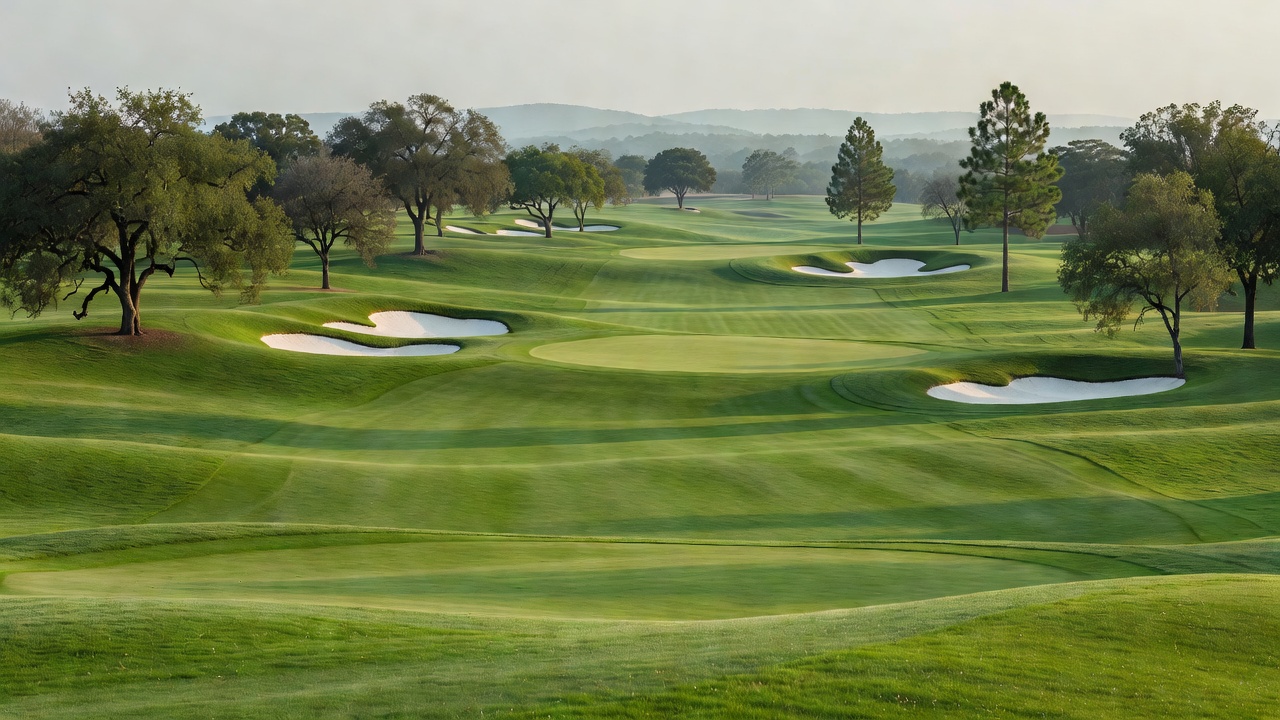
The phrase “golf destination” can suggest a complete package, but the real experience is made from many parts: course design and upkeep, the landscape, access, practice facilities, food, accommodation options and the welcome on arrival. Architecture can tie those parts together; it cannot substitute for them.
Let landscape shape the building
Coastal settings tend to bring wind, salt exposure, changing light and open horizons into the design brief. Sheltered thresholds, robust external materials and careful orientation may matter as much as a dramatic view. Woodland settings have a different character: trees create shade, enclosure and more intimate sightlines, while roots, drainage and the protection of existing habitat need attention.
Parkland and rolling countryside sites may offer broad views, mature planting and a more layered approach to arrival. Building height, roofline and siting can either settle into the landscape or compete with it. Each place has its own ecological and planning context, so familiar architectural formulas should not be carried from one site to another without question.
Arrival, walking routes and sightlines
A visitor's day begins before the first swing. Clear directions, a legible drop-off, accessible parking routes and a welcoming entrance help reduce friction. If the clubhouse is part of a larger destination, walking routes between accommodation, practice areas, dining and the course should be understandable and safe. Distances that seem short on a plan can feel different with clubs, luggage or changing weather.
Views are a useful design resource, but they should be considered from different rooms and routes. A first glimpse of the course can help orient guests; a sheltered terrace can create a strong place to pause; and a dining room may benefit from a framed view rather than an uninterrupted sheet of glass. Sightlines should also respect privacy, safety and the operational needs of the course.
Practice and clubhouse hospitality
Practice facilities can make a destination more useful to golfers, whether that means a range, putting green, short-game area or indoor coaching provision. Their location should account for safe circulation, weather exposure, maintenance access and the relationship to the first tee. Course and facility teams should coordinate the landscape and operational requirements rather than treating practice spaces as decorative extras.
Dining and lounge areas support the wider day for golfers and non-golfing guests alike. A restaurant might offer relaxed service after a round, while a private room supports a group or event. The building should make those uses easy to find and comfortable to reach. Operational details—service routes, storage, changing facilities and seating variety—shape the experience as much as the view from a table.
Accommodation and destination planning
Accommodation can be part of a golf trip, but it may be on site, nearby or not offered by the golf venue at all. When considering a destination, check how travel, transfers, walking distances and dining plans fit together. Do not assume that a clubhouse includes lodging or that facilities are available to every visitor. Access arrangements, visitor policies and services can change, so consult the official venue directly before making plans.
Seasonality matters. Daylight hours, rainfall, temperature, wind and landscape conditions affect both play and the usefulness of outdoor spaces. A terrace designed for a mild afternoon may be exposed during a windy season. A destination that relies on a single outdoor route should consider alternatives for poor weather and for people who need step-free access.
Water, ecology and course maintenance context
Water management is a landscape issue as well as an operational one. Drainage, irrigation, surface water, local water availability and habitat protection require site-specific expertise. Avoid assuming that a particular landscape treatment is environmentally beneficial without understanding local conditions. Responsible decisions depend on ecology, course management, construction impact and long-term maintenance working together.
Golf courses are actively maintained environments. Buildings and public routes should be planned with maintenance access, equipment movement and safety in mind. Visitors need clear guidance around areas where work is taking place. Environmental measures, certifications and management claims should be verified with the relevant operator rather than inferred from photographs or marketing language.
Events, access and visitor services
Championship or event facilities can bring large numbers of people into a landscape that usually operates at a calmer pace. Arrival management, temporary circulation, accessible viewing, facilities and staff routes all deserve planning. Event infrastructure should be considered alongside everyday use so that the clubhouse remains practical outside major gatherings.
Accessibility is part of destination quality. Visitors need clear information about step-free routes, changing and washroom provision, transport, seating and the terrain between facilities. Check current details with the official destination, because access arrangements can vary seasonally and may be updated as facilities change.
Good for
This guide is useful for comparing destination settings and understanding how architecture, landscape and hospitality work together. It can help visitors ask better questions before planning and help design teams set a more complete brief.
What to know
A beautiful clubhouse does not guarantee a particular course experience, access policy or level of service. Course design, maintenance, weather, travel logistics and official visitor arrangements all matter. Treat editorial observations as context, then confirm current details directly with the venue.