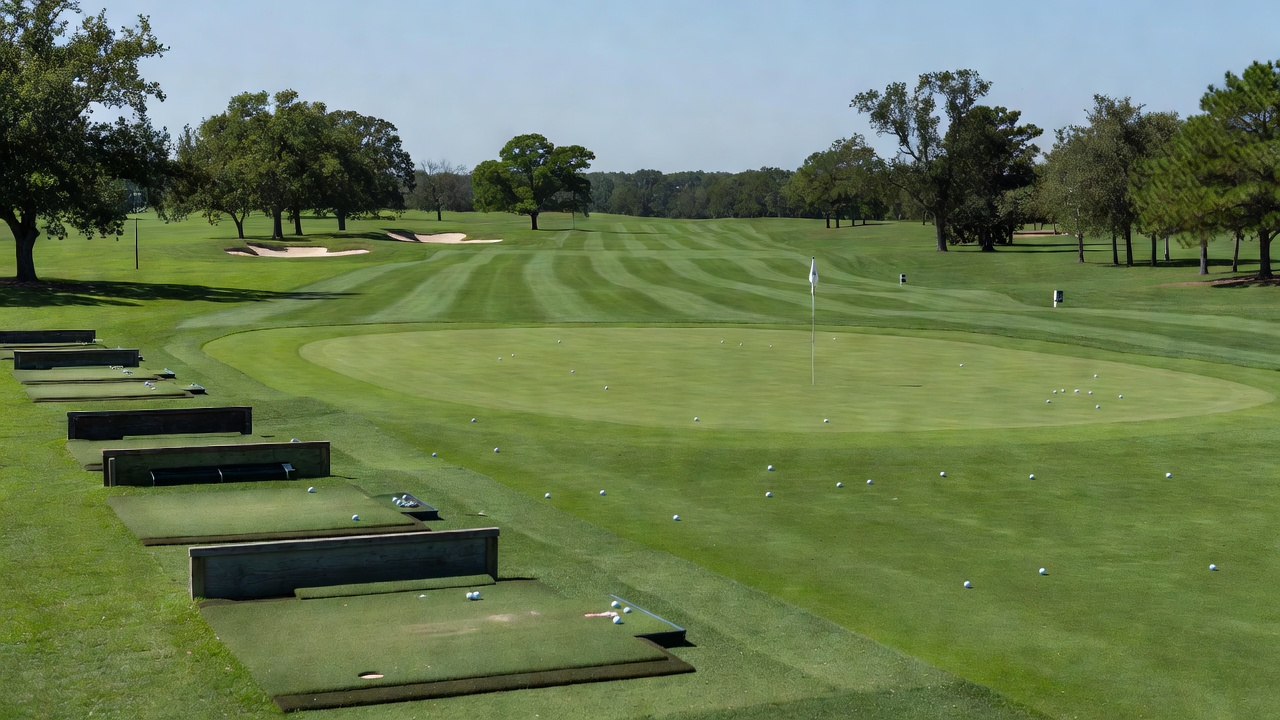
A pro shop is a place to browse, ask questions and get useful service. A practice facility is a place to move, focus and work on the game. When planned together, they can make preparation feel coherent; when their routes are muddled, equipment, retail activity and golf traffic quickly compete for space.
Make the shop easy to understand
Arrange the shop so visitors can see where to enter, browse and ask for help. Product displays should be legible, with sensible space around equipment and a clear counter position. Open displays feel approachable, but some products need secure storage or staff oversight. A balance of curated presentation and practical stock storage often works better than displaying everything at once.
Allow room for golf bags, prams or mobility equipment where relevant, and plan circulation for people who are not carrying anything as well as those arriving with gear. Checkout queues should not block the entrance or the route to the first tee. Consider how deliveries arrive, where packaging is stored and how the shop can be reset between busy periods.
Club fitting and coaching spaces
A dedicated club-fitting room can support privacy and controlled conditions. It may require enough length for a swing, appropriate impact surfaces, consistent lighting and space for equipment. A multi-purpose coaching area can make better use of a compact footprint, but shared use may require equipment to be moved and the room prepared each time. Which arrangement makes sense depends on the facility's intended programme and daily operation.
Indoor simulators are one possible tool within a wider coaching offer, not a universal replacement for outdoor practice. They need suitable ceiling height, safe swing clearance, appropriate flooring and control of light and sound. Specialist equipment, software and installation requirements vary, so check current supplier guidance and local building constraints before fixing a room layout.
Practice bays, greens and safety
Covered hitting bays can extend practical use through changing weather, while open bays may offer simpler construction and direct contact with the landscape. Both require careful safety planning: target direction, ball containment, separation from paths, access for staff and protection from stray shots. Weather exposure affects finishes, equipment life and maintenance needs.
Putting greens and short-game areas benefit from clear access and thoughtful connections to the clubhouse and practice range. The route should not cross active hitting zones, and people waiting for coaching need somewhere safe to stand. Lighting, drainage and turf maintenance vary by setting; coordinate these decisions with course-management and landscape professionals rather than treating the practice area as an isolated amenity.
Light, flooring and acoustics
Retail lighting should make merchandise easy to see without harsh glare. Fitting and coaching spaces need consistent conditions that support observation and safe movement. Flooring choices should account for golf shoes, equipment, cleaning and the impact of clubs being handled. In indoor practice rooms, resilient finishes and well-considered acoustic treatment can reduce distracting impact noise.
Safety matters at every transition. Display fixtures must be stable, clubs should be stored securely, and moving equipment should not create trip hazards. Routes should remain accessible, with clear turning space and seating where appropriate. Follow applicable safety, accessibility and fire requirements, and make sure staff understand the facility's operating procedures.
Indoor and outdoor, secure and open
Indoor facilities offer shelter and more controlled lighting but require building area, ventilation, suitable clearances and ongoing equipment care. Outdoor practice can connect directly to the course and feel expansive, but climate, wind, drainage and seasonal use shape its value. A covered outdoor option may bridge the two, though it still needs durable materials and maintenance access.
Open retail displays invite browsing and make products visible. Secure storage protects stock but can make a small shop feel closed if the balance is wrong. Use the display area for a considered selection and keep reserve inventory in organized back-of-house storage. The right solution depends on inventory, staffing, security needs and the way customers use the space.
Cost and operational considerations
Costs depend on site conditions, structure, utilities, fit-out, specialist equipment, safety systems and maintenance. A heated, enclosed practice space has different requirements from a basic covered bay; a dedicated fitting room needs different equipment and space from a flexible coaching studio. We do not give generic prices because location, specification and procurement can change the answer substantially.
Plan for staff access, cleaning, repairs, storage and future equipment changes. A flexible layout can help, but moving heavy displays or rebuilding acoustic treatment is not effortless. Bring operators, coaches, retail staff and facility managers into the brief before finalizing the plan.
Good for
This guide is useful when a club is rethinking its shop, adding fitting or coaching provision, or connecting practice areas more clearly to the clubhouse and course.
What to know
Retail presentation, equipment safety and practice design all need their own attention. A visually impressive space will fall short if it has poor circulation, inadequate storage, difficult maintenance or unclear operating rules.